Punugulu is one of those snacks that instantly makes you smile if you love street food. Crispy on the outside and soft on the inside, Punugulu is simple, spicy, and incredibly satisfying. As a foodie, I can say this confidently—few snacks deliver this much comfort in just one bite.
Popular across Andhra Pradesh and Telangana, this classic evening street snack is made from leftover idli or dosa batter. It’s usually served hot with coconut or peanut chutney and enjoyed fresh at roadside stalls. No fancy ingredients, no complicated steps—just honest food done right.
If you enjoy authentic regional snacks with real flavor, this snack deserves a place on your must-try list. It’s humble, addictive, and a great example of how simple ingredients can create memorable street food.
What Is Punugulu?
This is a popular deep-fried snack from South India, especially Andhra Pradesh and Telangana. It is made using fermented idli or dosa batter, mixed with onions, green chilies, cumin seeds, ginger, and sometimes herbs like coriander.
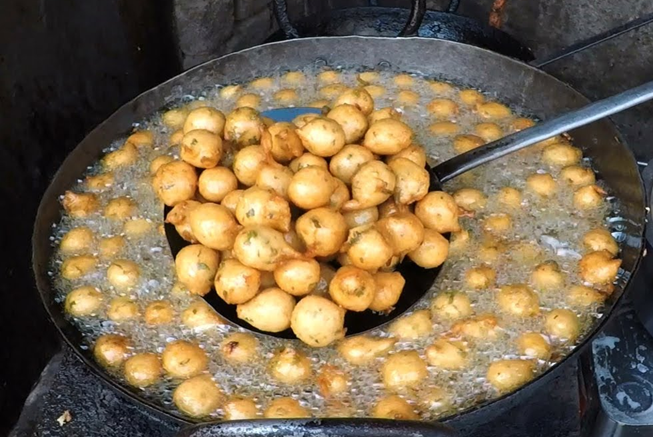
The batter is dropped by spoonfuls into hot oil and fried until crispy on the outside and soft on the inside. The result? A crunchy, savory fritter that pairs beautifully with coconut chutney, peanut chutney, or spicy ginger chutney. In simple words, leftover batter turns into magic.
Origin and Cultural Significance of Punugulu
Punugulu originated as a smart, zero-waste recipe. South Indian households often had leftover dosa or idli batter that became too sour to cook fresh dosas. Instead of throwing it away, home cooks transformed it into something delicious.
Over time, this humble kitchen hack found its way onto the streets and into the hearts of millions. Today, Punugulu is a staple street food, especially near schools, colleges, bus stands, and evening markets.
In Telugu-speaking regions, Punugulu is more than a snack—it’s nostalgia served hot.
Why It’s a Street Food Favorite
There are many reasons why Punugulu enjoys cult status among street food lovers:
- Affordable – Easy on the pocket
- Quick to make – Perfect for fast snacking
- Crispy and spicy – A flavor bomb
- Vegetarian – Loved by all
- Comfort food – Especially on rainy evenings
As a foodie, I’ll admit—few things beat a plate of hot Punugulu with chutney and a cutting chai beside it.
Taste and Texture of Punugulu
The real charm lies in its texture contrast:
- Outside: Crunchy, golden, and slightly rough
- Inside: Soft, airy, and mildly tangy due to fermentation
The onions add sweetness, green chilies bring heat, cumin seeds add aroma, and ginger gives a subtle kick. Every bite is layered, comforting, and satisfying.
And when dipped into creamy coconut chutney or spicy peanut chutney? Absolute bliss.
How Punugulu Is Made (Street-Style)
Without getting overly technical, here’s how Punugulu is typically prepared:
- Fermented batter is taken in a bowl
- Chopped onions, chilies, ginger, and spices are mixed in
- Oil is heated until hot but not smoking
- Batter is dropped carefully into oil using a spoon or fingers
- Fry until golden brown
- Served hot with chutney
That’s it. Simple, rustic, and incredibly effective.
Best Chutneys to Serve with Punugulu
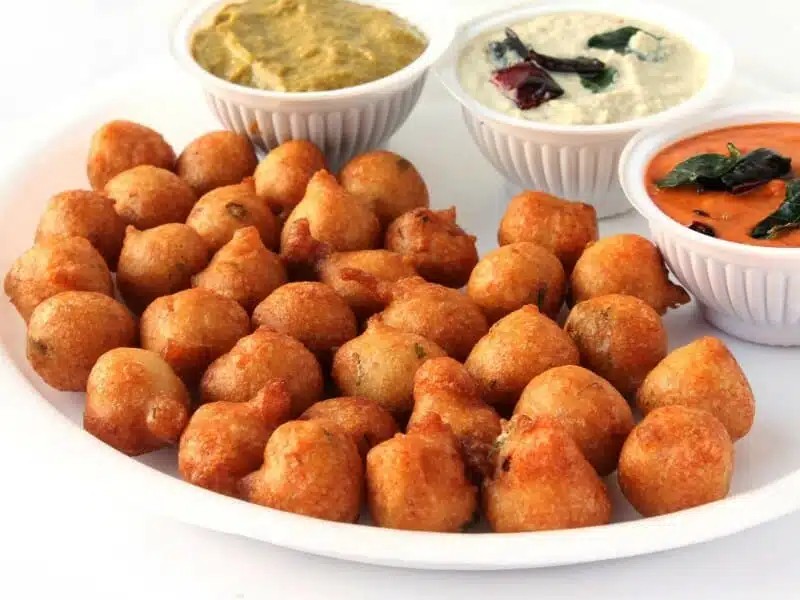
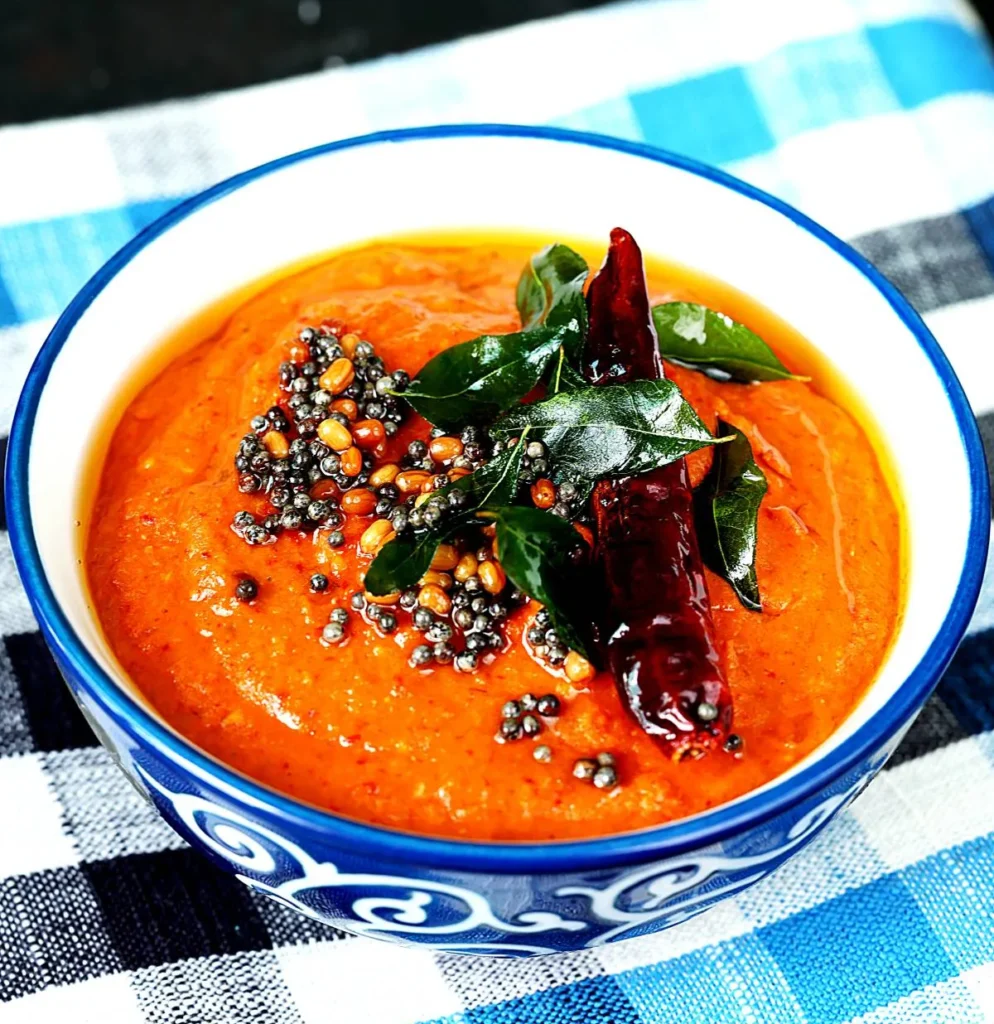
Punugulu is incomplete without chutney. As a foodie, here are my top picks:
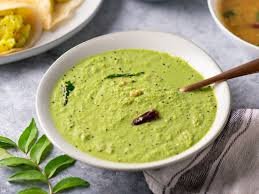
- Coconut Chutney – Mild and creamy
- Peanut Chutney – Nutty and spicy
- Allam Chutney (Ginger) – Sweet, spicy, and bold
- Tomato Chutney – Tangy and robust
Street vendors often serve two chutneys, which makes the experience even better.
Is Punugulu Healthy?
Let’s be honest—deep-fried snacks are not diet food, but they have some benefits:
Pros:
- Fermented batter aids digestion
- No artificial ingredients
- Vegetarian and protein-rich (from lentils)
Cons:
- High in oil
- Not suitable for daily consumption
Like most street food, Punugulu is best enjoyed in moderation, preferably hot and fresh.
Why It Deserves More Love
This Snack doesn’t always get the spotlight like masala dosa or biryani, but it absolutely should. It represents:
- Smart cooking
- Zero food waste
- Regional flavors
- Street food culture
Every bite tells a story of tradition, creativity, and comfort.
Final Thoughts
As a foodie, I believe food should make you happy—and Punugulu does exactly that. It’s crunchy, spicy, nostalgic, and deeply satisfying. Whether you eat it at a roadside stall, a college canteen, or your own kitchen, fritters always hits the right spot.
So the next time you see a Punugulu stall, don’t hesitate. Order a plate, grab some chutney, and enjoy one of South India’s most underrated snacks.
Because some of the best food experiences come fried, golden, and slightly messy.