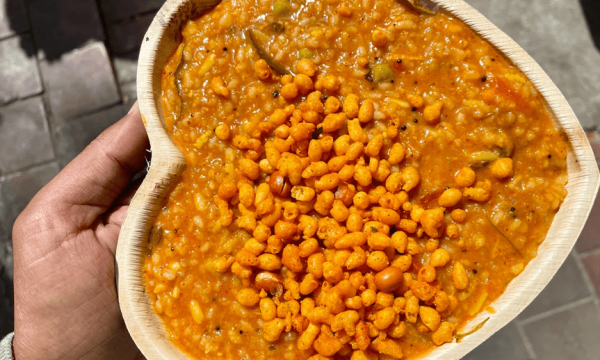
Some dishes don’t need introductions or elaborate plating to win you over. They arrive hot, slightly messy, full of flavour, and instantly satisfying. Bisi Bele Bath is one such classic. This traditional Karnataka one-pot dish of rice, lentils, vegetables, and spice is comforting, nourishing, and deeply rooted in everyday food culture.
Whether served at home, in temple kitchens, or at busy Bangalore darshinis, Bisi Bele Bath feels familiar in the best way — warm, filling, and meant to be eaten without fuss. It is not food that demands attention; it quietly earns it.
What Exactly Is Bisi Bele Bath?
The name says it all. In Kannada, Bisi means hot, Bele means lentils, and Bath refers to a rice-based dish. Bisi Bele Bath is made by cooking rice and lentils together with vegetables, tamarind, and a special spice mix that gives it its signature taste.
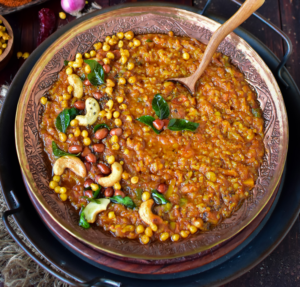
It is thicker than sambar rice, spicier than khichdi, and richer in flavour than most one-pot meals. The texture is soft but hearty, with vegetables blending into the rice rather than standing apart. A drizzle of ghee on top and a crunchy papad or boondi on the side are all it needs to feel complete.
A Dish Rooted in Karnataka’s Tradition
Bisi Bele Bath
has a long association with Karnataka’s culinary history. It is widely believed to have originated in temple kitchens, where large quantities of wholesome food were prepared for devotees. The dish was practical, nourishing, and easy to scale, making it ideal for community meals.
Over time, it also found favour in royal kitchens, particularly in the Mysore region, where it was refined with richer masala blends and generous amounts of ghee. Despite these influences, the dish never lost its simplicity.
Today, Bisi Bele Bath is proudly recognised as an essential part of Karnataka traditional food. It appears across households, restaurants, and local eateries, adapting slightly to local tastes while remaining true to its core identity. Its endurance reflects a food culture that values balance, nourishment, and consistency over excess.
From Home Kitchens to Darshini Counters
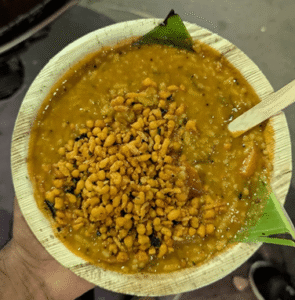

Just like Masala Dosa, another iconic Karnataka favourite, Bisi Bele Bath is commonly found in darshinis and small eateries, served hot and made to comfort everyday diners. These self-service restaurants are an inseparable part of Bangalore’s food landscape, offering fast, affordable meals without ceremony.
In darshinis, Bisi Bele Bath is usually prepared in large steel vessels that stay simmering for hours. Served quickly on steel plates or trays, it is eaten standing at counters or seated briefly before heading back into the rush of the day. Despite the speed, the dish never feels rushed.
For many people, ordering Bisi Bele Bath at a darshini is a reliable choice. It is filling, affordable, and satisfying without being heavy. Whether it is a quick lunch between work hours or a late afternoon meal, the dish fits seamlessly into daily routines.
The Magic Lies in the Masala
What truly sets Bisi Bele Bath apart is its unique spice blend. The Bisi Bele Bath masala is made using roasted spices, lentils, dry coconut, and red chillies. This masala gives the dish its depth, warmth, and slightly smoky flavour.
Every household has its own version, and that’s part of the charm. Some prefer it spicier, others more mellow. Some like it thick, others slightly flowing. There is no single right way — only personal comfort.
Why It’s the Ultimate One-Pot Comfort Food
As a South Indian comfort food, Bisi Bele Bath does not rely on complexity to make an impression. Its strength lies in balance — protein from lentils, energy from rice, freshness from vegetables, and depth from spices. Everything is cooked together, allowing flavours to blend naturally rather than stand apart.
The cooking process reflects this simplicity. Rice and lentils are softened together, vegetables are simmered gently, and tamarind adds a mild tang. The signature Bisi Bele Bath masala brings warmth and richness, while a final tempering of mustard seeds, curry leaves, and dried red chillies in ghee ties the dish together. The result is a thick, nourishing meal that feels complete without the need for elaborate sides.
More Than Just a Recipe
Although many people search online for a Bisi Bele Bath recipe, the dish goes beyond instructions and measurements. It is closely tied to everyday moments — shared lunches, steel plates set on dining tables, and the familiar aroma of spices filling the kitchen. These small details give the dish an emotional depth that cannot be written into a recipe card.
In a fast-changing food world driven by trends, Bisi Bele Bath remains steady. Its continued presence is a reminder that simple, honest cooking still holds immense value, offering comfort not through novelty, but through familiarity and trust.
Final Thoughts
Bisi Bele Bath is not just a famous food of Karnataka; it is a reflection of the state’s food philosophy. Nourishing, flavourful, and cooked in one pot, it brings together practicality and tradition in every spoonful.
In a time when food trends come and go, dishes like Bisi Bele Bath quietly hold their ground. They continue to matter because they are dependable, rooted, and deeply satisfying.
Sometimes, that’s all a meal needs to do.